
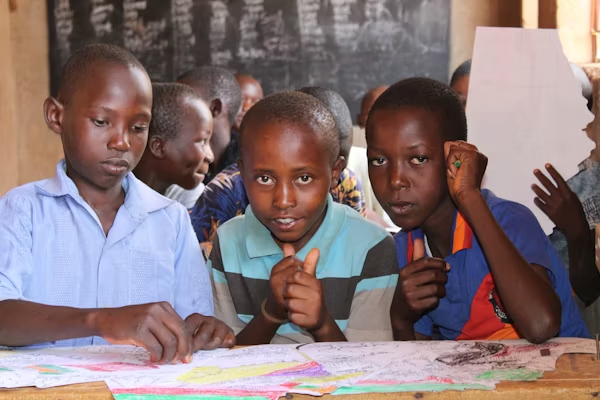
Navigating Grade 10 Under CBE: Career Pathways and the School Fees Challenge in Kenya
As Kenya advances the implementation of the Competency-Based Curriculum (CBC), Grade 10 has emerged as one of the most decisive stages in a learner’s journey. Senior school under this new system is designed to unlock potential, align education with talent, and prepare young people for meaningful careers. Students now select…
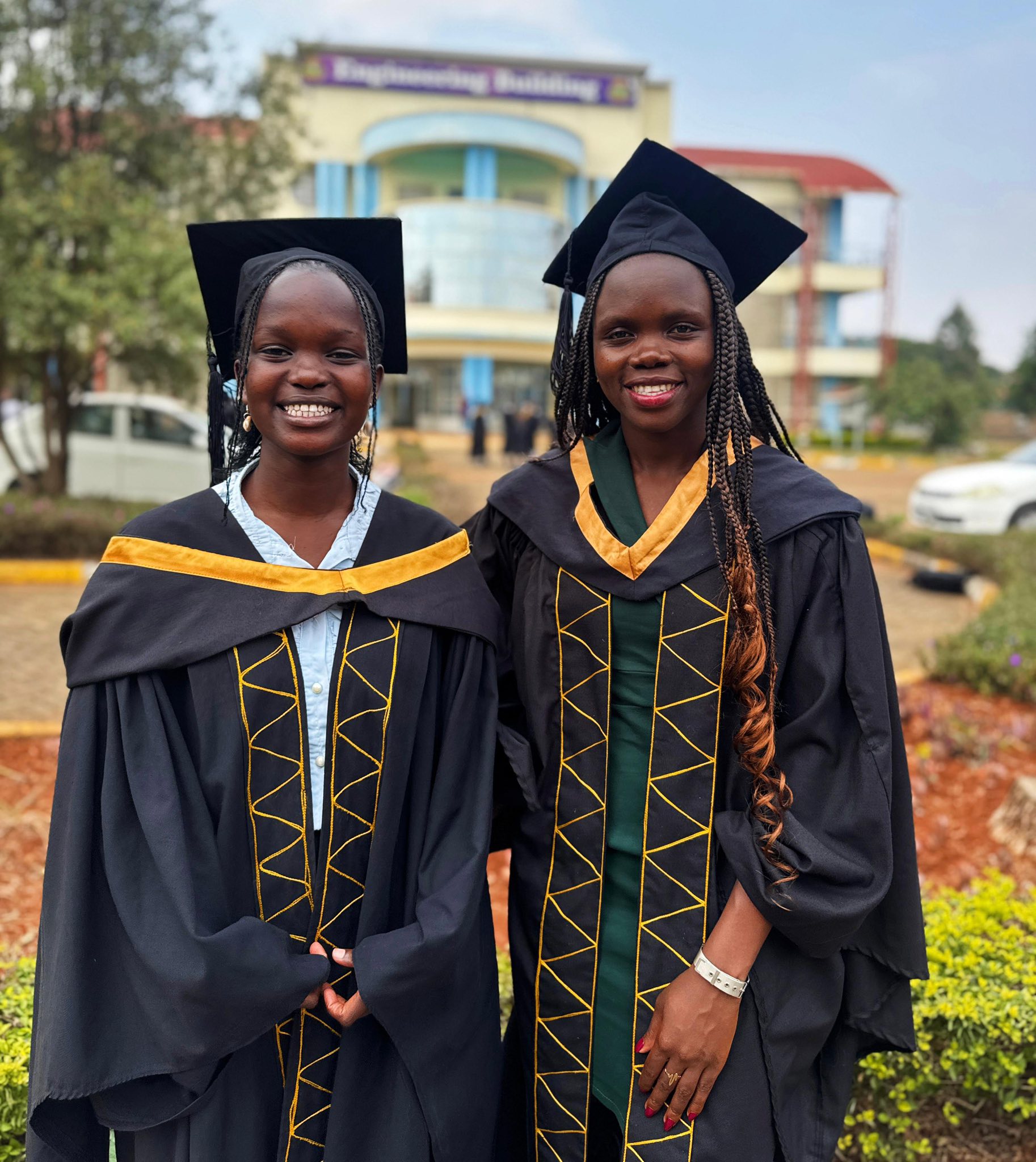
Sincere Appreciation for Your Generous Support of Girls Education
We want to take this opportunity to express our deepest gratitude for your generous and unwavering support of six remarkable girls in Kenya on their educational journeys. What began four years ago with Debbie as a small initiative has blossomed into a life-changing movement, transforming the futures of these young…
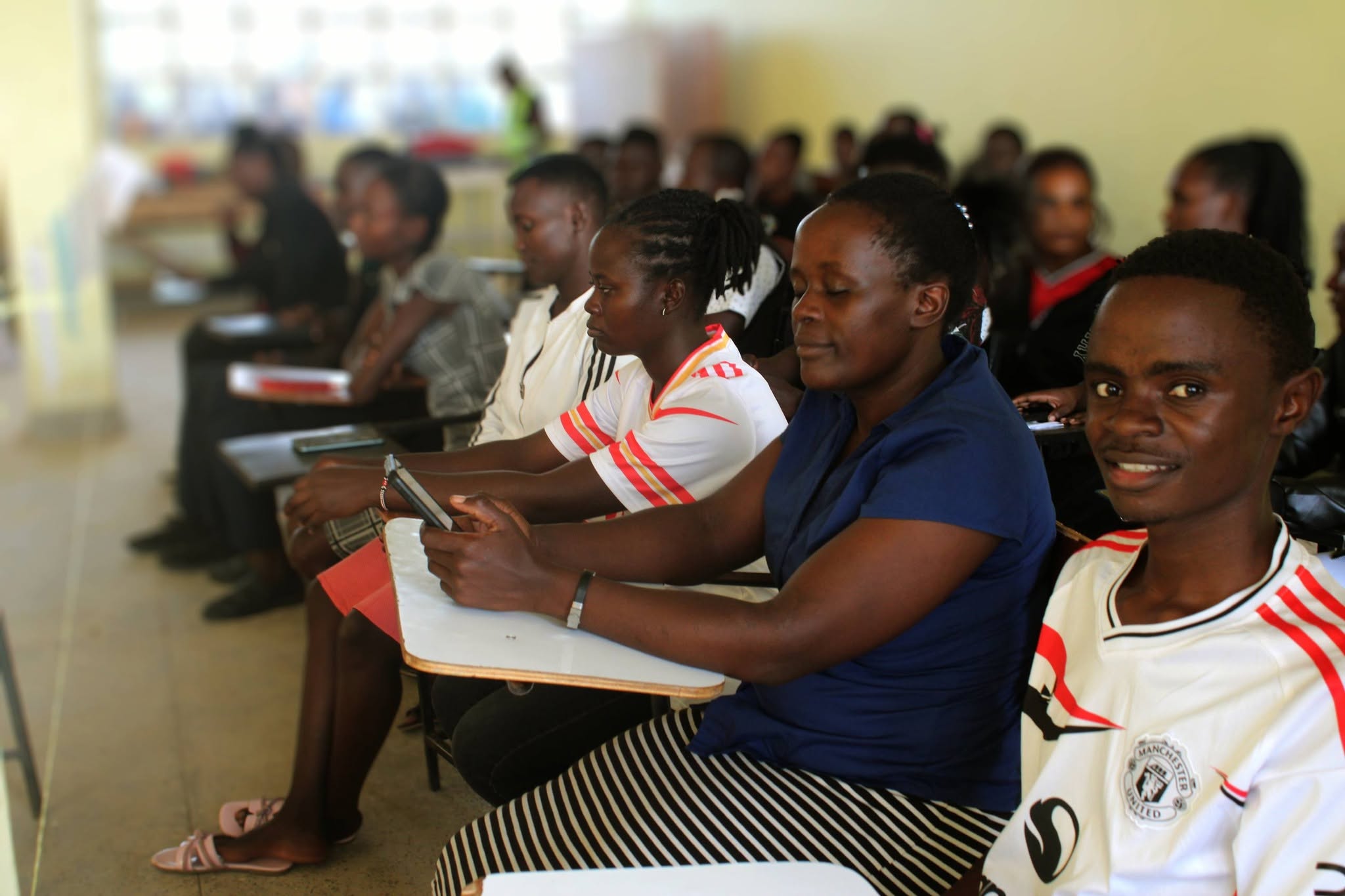
Global Connections and Friendships Transforming Grassroots Education in Kenya
Global connections and friendships between individuals in the developed world and those in developing countries are transforming education in Kenya by strengthening grassroots, locally driven initiatives. These relationships are not simply about aid—they are about solidarity, shared humanity, and a common belief that every child deserves access to quality education.…